Introduction
Every morning, thousands of people open the NYT Spelling Bee and stare at seven letters wondering where to even start. That blank feeling is exactly why a lot of players skip straight to https://todayspellingbeeanswers.com/ instead of guessing their way through it.
This puzzle from the New York Times isn’t hard because the rules are complicated — it’s hard because your brain gets stuck on the same three words and refuses to move past them. Once you know how the game actually works, and where to check your answers when you’re stuck, the whole thing gets a lot less frustrating and a lot more fun.
How the NYT Spelling Bee Actually Works
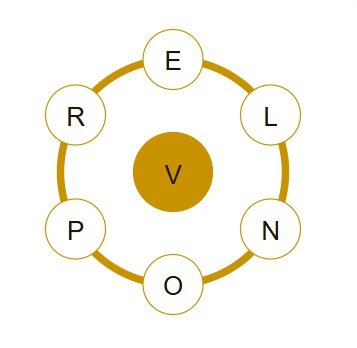
Before chasing answers, it helps to understand the shape of the puzzle itself. The Spelling Bee arranges seven letters into a honeycomb pattern, and one of those letters sits in the center, mandatory in every single word you build. You’re not restricted to using each letter once — reuse them as much as the word allows.
The catch is length: nothing under four letters counts, no matter how clever it feels. The board resets daily at 3:00 AM Eastern Time, so a fresh set of letters greets you each morning. Scoring rewards patience over speed. A four-letter word earns exactly one point.
Anything longer scores points equal to its letter count, so a seven-letter word is worth seven points on its own. Then there’s the pangram — the single word that uses all seven letters at least once. Find it, and you get the word’s normal score plus a seven-point bonus. That one word alone often decides whether you’re stuck at “Good” or standing at “Genius” by lunchtime.
Why the Pangram Matters More Than You Think
Here’s something a lot of casual players miss: hunting for the pangram first, before filling in shorter words, actually makes the whole puzzle easier. Once you spot it, the center letter and the pattern of the other six letters start clicking into place for you. It’s like solving the hardest part of a jigsaw puzzle first and letting the edges fall in around it.
Most days only give you one pangram, though every so often the puzzle throws in two, which is a nice surprise when it happens. If you’ve spent ten minutes staring at the grid with nothing to show for it, that’s usually the sign to stop guessing randomly and start looking specifically for a word that touches every letter.
Checking Your Answers Without Ruining the Fun
There’s a real difference between giving up on the puzzle and just wanting to confirm you’re not missing something obvious. That’s really the whole point of a resource like this — you get the complete list, the pangram, and hints, updated every day, without needing an account or a subscription. The official puzzle itself sits behind a New York Times Games paywall, but checking your progress against a free answer key doesn’t cost anything.
A lot of players use hints rather than full answers, just enough of a nudge to unstick their thinking without spoiling the whole board. Others want to see yesterday’s list so they can understand why a word they tried yesterday didn’t count — sometimes it’s a word that’s technically real but excluded because it’s too obscure, and that context genuinely helps for the next round.
Understanding Ranks: Genius, Queen Bee, and Beyond
The New York Times built a ranking system into Spelling Bee that runs from Beginner up through Genius, and finally to Queen Bee, the top tier. Genius is what most regular players aim for — it’s a strong, satisfying finish without needing every single word. Queen Bee, though, means you found absolutely everything on the board. No shortcuts, no missed words.
There’s also a term that’s grown popular among dedicated fans called a “Bingo.” It isn’t an official NYT rank — the Times never made it part of scoring — but it’s become a widely recognized personal goal. A Bingo happens when you find at least one word starting with each of the seven letters in that day’s puzzle. It’s a nice extra challenge once Genius starts feeling routine.
Is the Spelling Bee Free to Play?
Technically, no. Playing the puzzle on the official New York Times site requires a Games subscription. That said, plenty of free tools exist that let you check today’s word list, hints, and pangram without paying anything or creating an account.
It’s a workaround that’s become common enough that most regular players know about it, especially anyone who plays casually and doesn’t want a subscription just for one daily word game.
FAQs
What exactly is a pangram?
It’s a word using all seven letters from the day’s puzzle, worth its normal score plus a seven-point bonus. Most days have one, occasionally two.
How does scoring work?
Four-letter words earn one point each. Words five letters or longer score points equal to their length. Pangrams add seven bonus points.
What’s the difference between Genius and Queen Bee?
Genius is a strong milestone rank most players target. Queen Bee means every valid word has been found — full completion.
When does the puzzle reset?
Every day at 3:00 AM Eastern Time, with a completely new letter set.
Is a Bingo an official rank?
No. It’s a community-created challenge — finding a word starting with each of the seven letters — not something the New York Times tracks officially.
Conclusion
The Spelling Bee rewards a mix of patience and pattern recognition more than raw vocabulary. Once you understand how the honeycomb works, why the pangram carries so much weight, and how the ranking system actually measures progress, the daily grind starts feeling less like guesswork and more like a game you’re genuinely good at.
Whether you’re chasing Genius for the first time or trying to lock down Queen Bee streaks, knowing where to double-check your work makes the whole habit a lot more enjoyable.