A strange thumping sound in the attic at night can be easy to ignore at first. However, when scratching, footsteps, or unusual noises continue, a raccoon may have found its way into the property. These adaptable animals are skilled climbers and can take advantage of surprisingly small weaknesses around roofs, vents, soffits, and chimneys.
Understanding how raccoon removal London should be approached can help homeowners respond appropriately. The objective is not simply to make the animal leave. Effective removal also involves finding the entry point, checking for additional wildlife, addressing damage, and preventing another raccoon from moving into the same space.
How Does a Raccoon End Up Inside a Home?
Raccoons naturally look for protected locations where they can rest and raise their young. In an urban environment, houses can provide many of the qualities they seek.
An attic, for example, offers shelter from rain, wind, extreme temperatures, and predators. Once a raccoon discovers a vulnerable section of a roof, it may use its strength and dexterity to enlarge the opening.
Other common shelter areas include chimneys, crawl spaces, garages, sheds, and spaces underneath decks.
Food Sources Can Encourage Repeat Visits
Sometimes the problem begins outside the building.
Unsecured garbage, compost, birdseed, fallen fruit, outdoor pet food, and other accessible food sources may attract raccoons. If food is consistently available, the animals have a reason to return night after night.
During those visits, they may eventually discover an accessible shelter location.
Reducing these attractants is therefore an important part of long-term wildlife prevention.
Warning Signs You Should Not Ignore
You may never actually see the raccoon living around your property. Fortunately, several clues can reveal its presence.
Nighttime noises are among the most common signs. Raccoons are generally active after dark, so homeowners may hear heavy footsteps, scratching, shuffling, or occasional vocal sounds from an attic or ceiling.
Exterior damage can provide another clue. Look for disturbed roof vents, damaged soffits, loose roofing materials, or openings that appear to have been widened.
Tracks, droppings, overturned garbage containers, and repeated disturbances around the yard can also indicate activity.
Why DIY Removal Can Become Complicated
When homeowners discover an unwanted animal, the first instinct may be to block the opening immediately. Unfortunately, doing so before confirming that the space is empty can trap wildlife inside.
This becomes particularly important when young raccoons are involved.
A female may use an attic or another protected area as a den. If the primary entrance is sealed while animals remain inside, the situation can become more difficult and may cause additional property damage as the raccoon searches for another exit.
For this reason, raccoon removal London should begin with careful assessment rather than immediate sealing.
Avoid Direct Confrontation
Raccoons are wild animals and may become defensive when frightened, cornered, or protecting their young.
Keeping a safe distance is important. Children and pets should also be kept away from areas where wildlife activity has been identified.
Trying to physically handle or chase an animal can increase unnecessary risk.
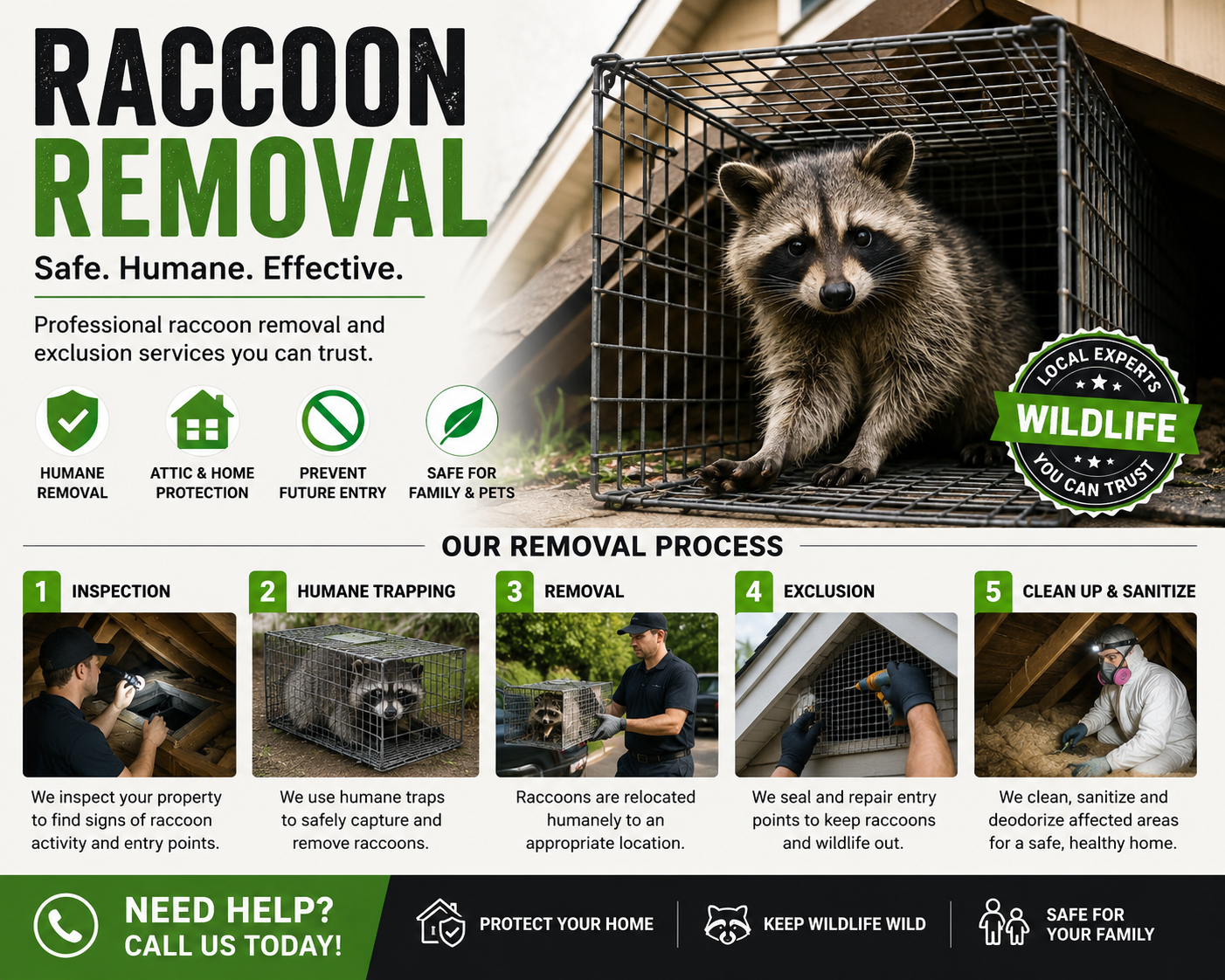
A Better Approach Starts With Inspection
A thorough inspection helps answer several important questions: Where is the raccoon entering? How long has the area been used? Are young animals present? Are there additional openings?
The roofline deserves particular attention.
Vents, fascia, soffits, chimney areas, and intersections between roof sections can develop weaknesses over time. Even if one obvious entrance is found, the rest of the exterior should still be checked.
Identifying vulnerabilities allows the removal process to address both the current issue and the conditions that contributed to it.
Prevention Should Follow Removal
Getting the animal out solves only part of the problem. If the original entry point remains accessible, another raccoon may eventually discover it.
After confirming that wildlife has left, damaged areas should be repaired and vulnerable openings secured with durable materials.
Property owners seeking wildlife removal help in the London area should consider prevention as an essential part of resolving recurring wildlife activity.
Reduce Outdoor Attractions
Homeowners can also make their properties less appealing by changing a few everyday habits.
Secure garbage and compost containers so animals cannot easily open them. Avoid leaving pet food outside overnight and clean up fallen fruit around trees.
Bird feeders may also attract wildlife indirectly by providing an accessible food source.
Regular exterior maintenance matters as well. Repairing deteriorated soffits, vents, fascia, and other weak areas before they become entry points can prevent a much larger problem later.
Check for Damage After the Raccoon Leaves
Once the wildlife activity has ended, the affected area should be inspected again.
Raccoons can disturb insulation, damage building materials, and leave waste behind. Contaminated materials may require careful handling, while structural damage should be repaired promptly.
The area should also be monitored for renewed sounds or exterior activity. Continued scratching or movement may indicate that wildlife remains present or has found another entrance.
Conclusion
Successful raccoon removal London requires more than reacting to nighttime noises or closing the first hole you find. Raccoons are intelligent, persistent animals, and the reason they entered the property needs to be addressed along with their presence.
Careful inspection, responsible removal, secure exclusion, and practical prevention measures create a more complete solution. Homeowners can further reduce future activity by securing food sources and keeping exterior building components in good condition.
Responding early is particularly valuable. The sooner unusual noises, damage, or other warning signs are investigated, the easier it may be to prevent a temporary wildlife visit from becoming an ongoing property problem.