Technology is no longer a background function for most organizations. It supports communication, employee productivity, data management, customer interactions, security, and daily decision-making. As businesses add more applications, devices, users, and locations, keeping the entire technology environment dependable becomes increasingly challenging.
A managed IT service provider can help organizations organize these responsibilities through ongoing monitoring, maintenance, support, security, and planning. Rather than waiting for technical failures to interrupt operations, managed IT emphasizes prevention and continuous improvement.
This structured approach can give businesses greater control over their technology while creating an infrastructure capable of adapting to changing requirements.
What Is a Managed IT Service Provider?
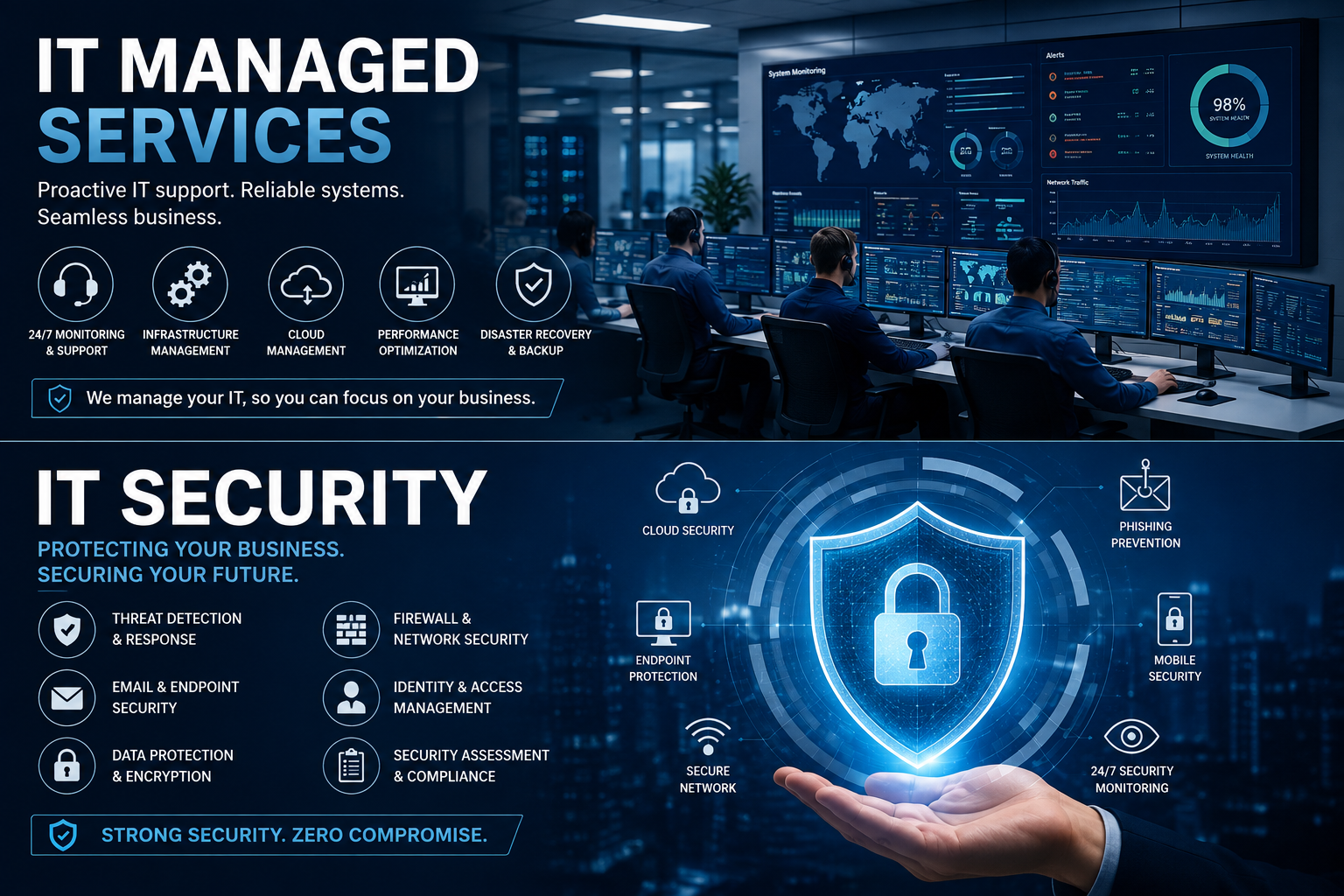
A managed IT service provider is an external technology resource that assumes responsibility for specific IT functions on an ongoing basis. The exact scope depends on the needs of the organization and may include infrastructure monitoring, technical support, device management, cybersecurity, backups, account administration, and strategic planning.
Unlike occasional technical assistance, managed services are built around continuity.
Because a managed IT service provider works with the technology environment regularly, technical teams can develop a clearer understanding of configurations, recurring problems, business priorities, and potential risks.
This knowledge makes it easier to move from temporary fixes toward lasting improvements.
Proactive Management Can Reduce IT Disruptions
Technical problems often provide warning signs before they become serious. Storage capacity may decline, hardware can report errors, software may become outdated, or network performance may gradually deteriorate.
Without active monitoring, these indicators can go unnoticed.
Identifying Problems Earlier
A managed IT service provider can monitor critical systems and investigate unusual changes before employees experience major disruption.
Preventive maintenance also plays an important role. Regular system checks, updates, configuration reviews, and equipment assessments can reduce the likelihood of unexpected failures.
Businesses looking for proactive technology support should consider whether their current IT strategy addresses potential problems early or depends primarily on reacting after failures occur.
Supporting Employees With Consistent Technical Assistance
Employees interact with business technology throughout the working day. Even relatively small problems can reduce productivity when users cannot access the systems they need.
Account difficulties, application errors, slow devices, network interruptions, and configuration problems are common examples.
A managed IT service provider can create a consistent process for reporting and resolving these issues.
Turning Support Requests Into Useful Insights
Technical support should do more than close individual requests. Repeated incidents can reveal broader weaknesses.
If several employees experience the same application problem, for example, the issue may require a configuration change or system upgrade rather than repeated troubleshooting.
By reviewing support patterns, a managed IT service provider can identify recurring concerns and recommend improvements that reduce future interruptions.
Strengthening Everyday Cybersecurity
Security requires continuous attention because technology environments are always changing. New employees receive accounts, devices are replaced, applications are introduced, and access requirements evolve.
Managed IT can help organizations maintain security throughout these changes.
Managing Accounts and Permissions
User access should match actual job responsibilities. Giving employees unnecessary permissions can create avoidable exposure, while failing to remove inactive accounts can leave security gaps.
A managed IT service provider can help establish standardized processes for employee onboarding, role changes, and offboarding.
Consistent access management improves security while also making administration more efficient.
Maintaining Software and Devices
Software updates frequently address known vulnerabilities. However, updates may be delayed when businesses rely on employees to manage devices independently.
Centralized maintenance can create greater consistency. A managed IT service provider can help track system status and ensure important maintenance activities receive appropriate attention.
Protecting Information Through Backup Planning
Business data can be affected by hardware failure, accidental deletion, software problems, or security incidents. Organizations therefore need a clear strategy for protecting and recovering important information.
Simply creating copies of files is not enough.
Planning for Successful Recovery
A managed IT service provider can help determine which systems require backup, how frequently data should be protected, and how restoration should occur.
Recovery procedures should also be tested periodically.
Testing helps confirm that information can actually be restored and gives technical teams practical experience with the recovery process before an emergency occurs.
This preparation can reduce uncertainty when rapid action is required.
Helping Technology Scale With Business Growth
Growth creates new demands on technology. Additional employees require devices and accounts. New locations may need connectivity. More applications can increase administrative complexity, while larger volumes of information may require additional storage and protection.
Technology that is not designed to scale can eventually become a barrier.
Planning Infrastructure Before Capacity Becomes a Problem
A managed IT service provider can evaluate current infrastructure and compare it with expected business requirements.
This allows organizations to identify potential limitations early and schedule improvements according to priority.
Planning ahead can also prevent rushed decisions. Instead of replacing systems only after they become inadequate, businesses can develop a roadmap for equipment, networks, applications, security, and capacity.
Supporting Internal Technology Teams
Managed services can be useful even when an organization already employs IT professionals.
Internal teams often understand company processes and priorities extremely well, but their time may be divided among support requests, maintenance, security tasks, and strategic projects.
A managed IT service provider can supply additional capacity for selected responsibilities.
For example, external specialists might handle routine monitoring while internal employees concentrate on business-specific initiatives. Alternatively, they may provide expertise for projects requiring specialized technical knowledge.
This collaborative model can help organizations use internal resources more strategically.
Choosing a Provider Based on Business Needs
Selecting a managed IT service provider should involve more than comparing technical capabilities. Businesses should consider how effectively a potential provider understands their operations and communicates recommendations.
Documentation practices, responsiveness, security knowledge, scalability, and long-term planning are also important considerations.
A productive relationship should make the technology environment easier to understand and manage.
Look for a Long-Term Perspective
The strongest managed IT relationships focus on improvement rather than repeatedly maintaining the status quo.
Regular technology reviews can identify aging equipment, security priorities, recurring support problems, capacity concerns, and future requirements.
A managed IT service provider that understands business objectives can help transform these findings into practical priorities.
Conclusion
Reliable technology requires ongoing work. Devices need maintenance, networks require monitoring, employees need support, data must be protected, and cybersecurity practices have to evolve as the organization changes.
A managed IT service provider brings these responsibilities into a structured framework focused on prevention, consistency, and long-term planning. This approach can reduce technical disruption while helping organizations make more informed technology decisions.
Ultimately, the value of a managed IT service provider extends beyond troubleshooting. Effective managed IT creates a dependable technology foundation that supports employees today while remaining flexible enough to accommodate tomorrow’s business requirements.