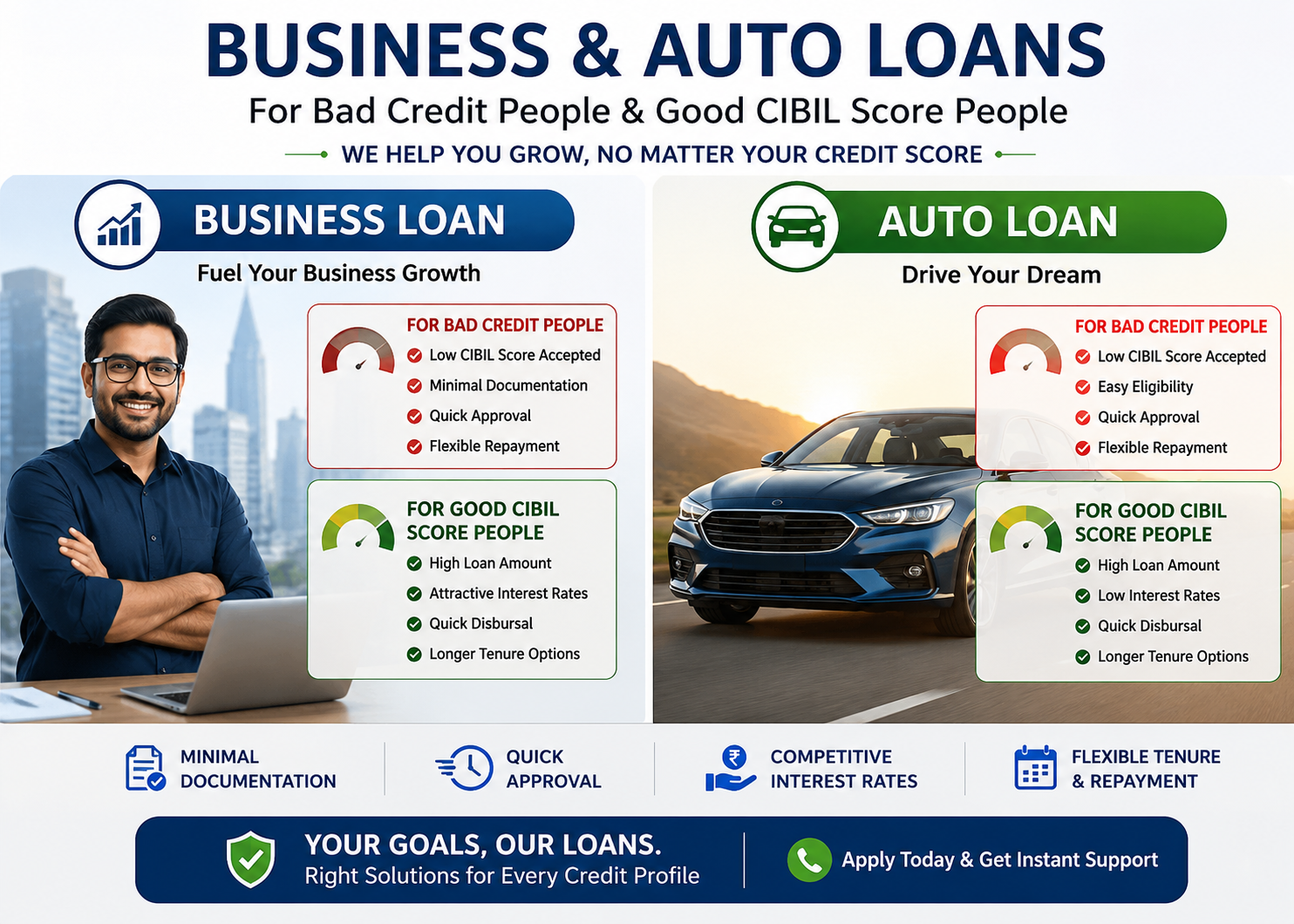
Credit problems can make shopping for a vehicle seem more difficult than it needs to be. A missed payment, unexpected financial setback, or high credit balance may affect your borrowing profile, but these situations do not always close the door on vehicle financing. For many drivers, understanding bad credit auto loans is the first step toward making an informed decision.
The key is to approach financing with preparation rather than urgency. Knowing your budget, reviewing your credit history, and understanding how lenders evaluate applications can help you choose an arrangement that supports both your transportation needs and financial well-being.
What Are Bad Credit Auto Loans?
Bad credit auto loans are financing arrangements designed for borrowers whose credit profiles may not meet traditional lending standards. Credit scores can fall because of late payments, collections, high credit utilization, limited credit history, or other financial circumstances.
However, credit history may not be the only consideration during an application. Income, employment stability, current debts, down payment, and overall ability to make regular payments may also influence a lending decision.
Understanding these factors can help borrowers focus on improving their complete financial profile instead of concentrating exclusively on a credit score.
Start With an Honest Monthly Budget
Before applying for vehicle financing, determine what you can comfortably afford each month.
A common mistake is looking at vehicles first and working out affordability afterward. Reversing that process can lead to a more responsible decision.
Calculate Essential Expenses
Write down your monthly income and subtract essential costs such as housing, groceries, utilities, insurance, debt payments, childcare, and other recurring expenses.
Next, consider the additional expenses associated with owning a vehicle. These may include:
- Fuel
- Insurance
- Routine maintenance
- Registration expenses
- Parking
- Unexpected repairs
The remaining amount can help establish a realistic vehicle budget.
Review Your Credit Before Applying
People researching bad credit auto loans should consider checking their credit reports before submitting an application.
Reviewing your credit history helps you understand what information may influence a lender’s assessment. Look for incorrect balances, unfamiliar accounts, duplicate entries, or outdated information.
If you discover an error, following the appropriate dispute process may help ensure your credit report accurately reflects your financial history.
Knowing your current credit position also helps you set realistic expectations before beginning the financing process.
What Can Strengthen a Financing Application?
While every financial situation is different, several factors can help demonstrate your ability to manage vehicle financing responsibly.
Consistent Income
Regular income can show that you have the financial resources required to make recurring payments. Having documentation available may make it easier to verify your financial position.
Manageable Existing Debt
Existing financial commitments affect how much additional debt you can reasonably handle. Reducing unnecessary balances before applying may improve your overall financial situation.
A Reasonable Down Payment
Providing money upfront reduces the amount that needs to be financed. A down payment may also make monthly payments easier to accommodate within your budget.
Practical Vehicle Expectations
Selecting a vehicle that matches your financial circumstances is important. Transportation should solve a practical need without creating unnecessary financial pressure.
Borrowers researching their options can also review local vehicle financing information when considering where to begin their financing journey.
How Responsible Payments May Support Your Credit
Bad credit auto loans should not simply be viewed as a way to obtain transportation. A new financial commitment also creates an opportunity to develop stronger money-management habits.
Paying every bill on time is one of the most useful habits to establish. Consider setting calendar reminders or automatic payments so important due dates are not overlooked.
At the same time, avoid accumulating unnecessary additional debt. Keeping revolving credit balances under control can make monthly finances easier to manage.
Progress may not happen immediately. Building stronger credit typically requires consistent financial behaviour over time.
Mistakes to Avoid When Financing a Vehicle
Borrowers with credit difficulties sometimes feel pressure to accept the first financing arrangement available. Taking time to understand the commitment can help prevent future problems.
Do not judge affordability solely by the monthly payment. Consider the complete financial obligation and how long payments will continue.
Similarly, avoid choosing a vehicle based entirely on appearance or features. Reliability, practicality, insurance requirements, maintenance needs, and everyday operating costs deserve equal consideration.
Most importantly, read documents carefully before making a commitment. Ask questions about anything you do not understand.
Create a Financial Cushion
Unexpected expenses are part of vehicle ownership. A battery can fail, a tire can need replacement, or routine maintenance may arrive sooner than expected.
Building even a modest emergency fund can help prevent these expenses from turning into additional debt.
People considering bad credit auto loans may benefit from including monthly savings in their vehicle budget. Treating savings as a regular expense can gradually create greater financial flexibility.
Conclusion
Past credit difficulties do not have to define every future financial decision. With realistic budgeting, careful research, stable income, responsible vehicle selection, and consistent payment habits, borrowers can approach vehicle financing from a stronger position.
Bad credit auto loans can provide a possible financing path, but affordability should always remain the priority. Take time to understand your finances, compare your available choices, and consider the long-term impact of the commitment.
A vehicle can support work, family responsibilities, and everyday independence. When financing is approached thoughtfully, it can also become an opportunity to establish more disciplined financial habits for the