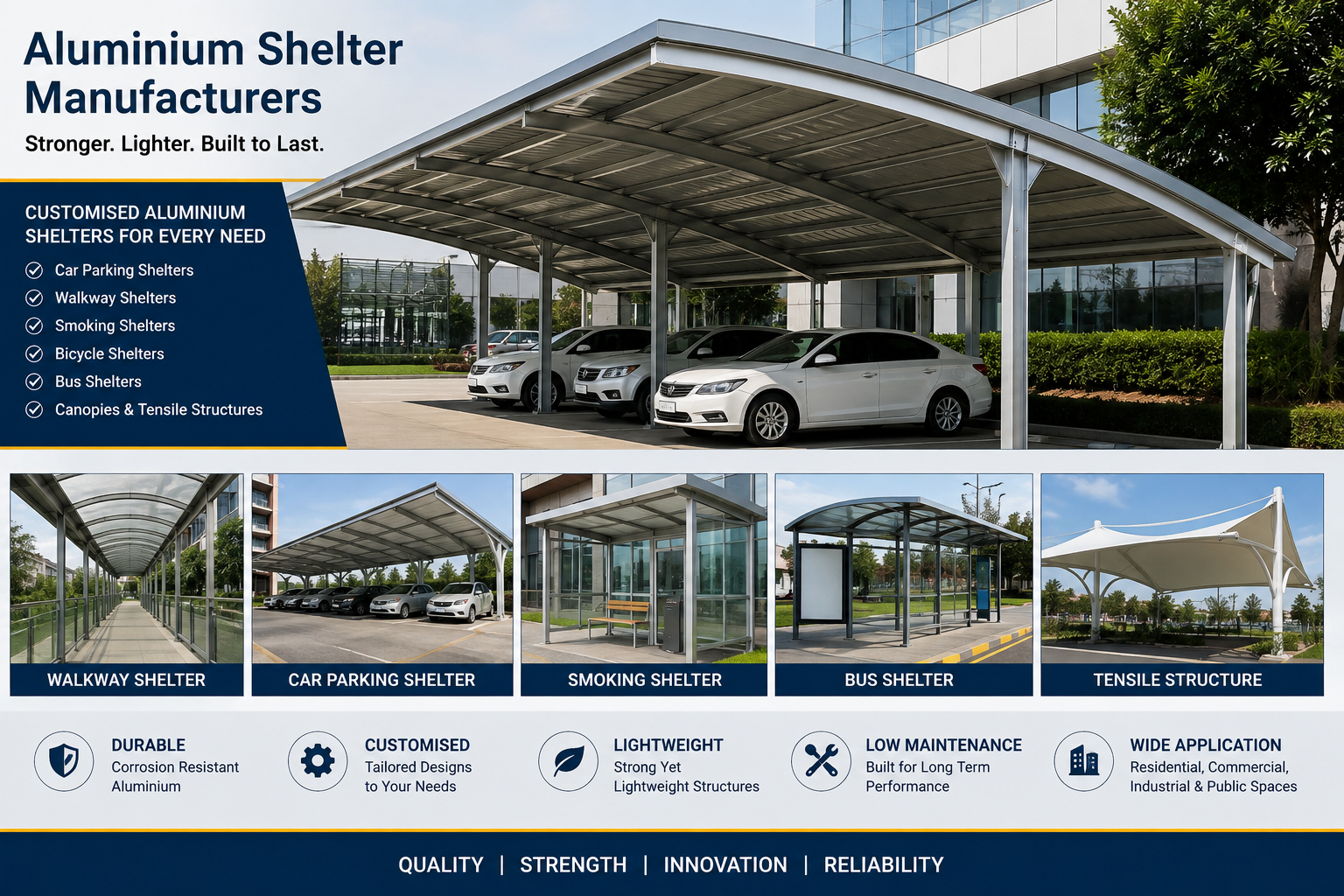
Choosing an exterior building material can be challenging. Appearance matters, but architects and construction professionals must also consider fabrication, environmental exposure, installation, maintenance, and applicable performance requirements. Aluminum composite material offers a combination of characteristics that can make it suitable for a wide range of contemporary architectural applications.
Rather than selecting panels based only on color or appearance, project teams should understand what influences their suitability. From core composition to coating selection, several details determine whether aluminum composite material is appropriate for a particular application. A structured selection process can help designers make more informed decisions and avoid unnecessary complications later in construction.
Start With the Intended Application
Every material selection should begin with one basic question: where will it be used?
Aluminum composite material may be considered for exterior façades, entrances, soffits, canopies, column covers, parapets, interior features, and other architectural elements when the selected panel specification is appropriate.
Requirements can change depending on the application. A panel installed on a major exterior elevation, for example, may face different environmental and regulatory considerations from a decorative interior feature.
Clearly defining the intended use helps narrow the available options.
Understand Panel Construction
An aluminum composite material panel generally contains two aluminum face sheets bonded to a central core. Together, these layers create a relatively rigid panel while keeping overall weight manageable.
However, not all panels are constructed identically.
Core Composition Matters
Core types can vary, and this difference may affect performance characteristics and suitability for particular applications.
Design professionals should evaluate the specified aluminum composite material against relevant project requirements instead of assuming that different panel constructions are interchangeable.
Building type, height, occupancy, wall assembly, and local regulations may all influence material selection.
Evaluate the Required Panel Dimensions
Panel size can influence architectural appearance, fabrication efficiency, joint layout, and material use.
Before finalizing aluminum composite material, designers should develop a realistic panel layout based on available dimensions and façade geometry.
Coordinate the Layout Early
Early planning helps identify difficult areas such as windows, doors, corners, penetrations, and transitions.
A carefully coordinated layout may also reduce unnecessary cutting and simplify fabrication. At the same time, joint placement can become an intentional part of the architectural composition.
Instead of treating joints as unavoidable construction lines, architects can use them to emphasize proportions and establish visual rhythm.
Choose a Finish With the Whole Building in Mind
Color selection is often one of the most visible decisions, but finish evaluation should go further.
Gloss, texture, reflectivity, orientation, surrounding materials, and natural light can all influence the appearance of aluminum composite material.
Small Samples Tell Only Part of the Story
A finish viewed on a small sample may look different when applied across a large building elevation.
Whenever appropriate, designers should evaluate representative samples under relevant lighting conditions. Consider how morning light, afternoon sun, shade, and neighboring surfaces could influence the appearance.
The coating should also be suitable for the anticipated environmental exposure.
Consider Fabrication Requirements
One of the useful characteristics of aluminum composite material is its fabrication flexibility. Depending on the panel and system, it may be cut, routed, folded, or formed to create architectural components.
This versatility can support complex façade geometry, but it also makes accurate planning important.
Design Details That Can Be Built
Architectural drawings should consider how individual components will actually be fabricated and assembled.
Corners, returns, reveals, soffits, and transitions need sufficient detail. Complicated shapes should be coordinated with qualified fabricators before large quantities of aluminum composite material are prepared.
Early collaboration can identify practical adjustments without compromising the overall architectural concept.
Review Building-Envelope Requirements
Exterior cladding is only the visible portion of a larger wall assembly. Good performance depends on how all components work together.
Plan for Moisture and Weather
Exterior walls encounter rain, wind, sunlight, temperature fluctuations, and moisture. Aluminum composite material should therefore be integrated into a wall system designed for the anticipated conditions.
Depending on the assembly, this may involve insulation, air and water barriers, drainage provisions, flashing, attachment components, joints, and supporting structures.
Special attention should be given to openings and interfaces between different materials.
Check Applicable Codes and Standards
Material selection must account for the regulatory requirements of the project location.
Building codes can establish requirements related to fire performance, structural loads, wall assemblies, and other factors. These requirements may differ according to building height, occupancy, construction type, and jurisdiction.
The selected aluminum composite material and complete assembly should be evaluated by qualified professionals against all applicable requirements and project specifications.
Technical documentation should also be reviewed before final selection.
Think About Installation Before Construction Starts
Even an appropriate panel can produce disappointing results when installation is poorly planned.
Smooth panel façades make inconsistent joints and alignment errors particularly noticeable. Consequently, installers need coordinated drawings, verified dimensions, and clearly defined attachment details.
Field Conditions Can Affect the Layout
Actual site dimensions do not always match initial assumptions. Critical conditions should be checked before fabrication or installation when required.
Careful coordination between architects, fabricators, contractors, engineers, and installers helps ensure that aluminum composite material components fit correctly when they reach the building.
This coordination can also reduce unnecessary field modifications.
Plan for Long-Term Appearance
A façade remains exposed to its environment long after construction is finished. Dust, moisture, pollutants, and other contaminants can gradually accumulate on exterior surfaces.
Maintenance requirements should therefore be considered during material selection.
Appropriate inspection and cleaning can help preserve the intended appearance of aluminum composite material. Cleaning procedures should always be compatible with the specific surface coating.
Designers can also consider accessibility when detailing areas that may require future inspection.
Use a Complete Selection Checklist
Before specifying aluminum composite material, project teams should review the intended application, panel composition, dimensions, finish, fabrication requirements, environmental exposure, wall assembly, applicable codes, installation strategy, and maintenance considerations.
Looking at these factors together provides a more reliable basis for selection than focusing on appearance alone.
It also encourages communication between the professionals responsible for designing, supplying, fabricating, and installing the panels.
Conclusion
Selecting aluminum composite material is ultimately a process of matching architectural goals with technical project requirements. Its lightweight composite construction, smooth appearance, and fabrication flexibility can make it a versatile choice for contemporary architectural features and façades.
Successful specification, however, requires careful attention to panel construction, finishes, dimensions, codes, environmental conditions, wall-system details, fabrication, and installation.
By evaluating aluminum composite material as part of the complete building rather than as an isolated surface, project teams can make better-informed decisions. Thoughtful planning at the design stage can support cleaner detailing, more efficient construction, and an exterior appearance that remains consistent with the original architectural vision.