Cold floors can make an otherwise comfortable room feel uninviting, particularly during colder months. Bathrooms, kitchens, entryways, and other tiled spaces often feel especially chilly underfoot. For homeowners looking to improve everyday comfort, heated flooring installation can provide an efficient way to introduce consistent warmth directly where it is needed.
Heated floors do more than create a luxurious feeling. When properly planned, they can distribute warmth evenly, reduce cold spots, and make frequently used rooms more enjoyable. However, successful installation depends on choosing a suitable system, preparing the floor correctly, and coordinating every stage before the finished flooring goes down.
How Heated Flooring Works
A heated floor typically generates warmth beneath the finished flooring surface and transfers that heat upward into the room. Instead of relying entirely on warm air circulating from conventional heating sources, the floor itself becomes a source of radiant warmth.
This approach can create a comfortable environment because heat is distributed across a broad surface rather than concentrated in one location.
Two common approaches involve electric heating elements or systems that circulate heated water through tubing beneath the floor. The appropriate choice depends on the room, renovation scope, existing construction, and overall heating objectives.
Where Does Heated Flooring Make the Most Sense?
Although radiant floor heating can be considered for several areas, certain rooms benefit particularly well from it.
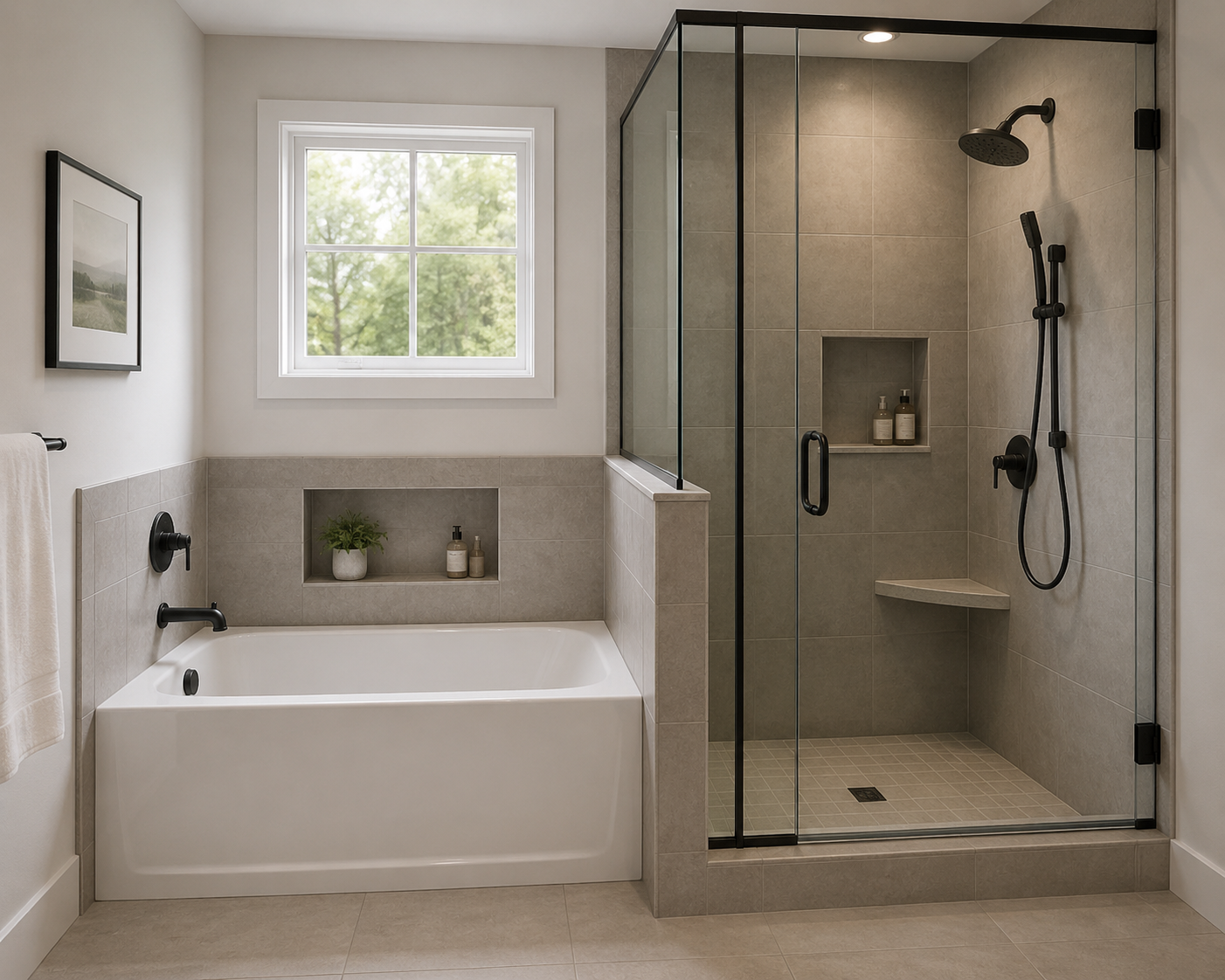
Bathrooms are an obvious example because people frequently walk barefoot on surfaces that naturally feel cool. Kitchens can also benefit, especially in homes where family members spend considerable time cooking, eating, and socializing.
Mudrooms, entrances, basements, and other spaces with traditionally cold floors may also be suitable candidates.
Consider the Flooring Material
The finished floor covering plays an important role in heating performance. Some materials transfer heat more effectively than others.
Tile is often associated with heated floors because it conducts and retains heat effectively. It can also tolerate the everyday conditions found in kitchens, bathrooms, and entrances.
Before beginning a project, homeowners should confirm that every component of the flooring assembly is suitable for use with the selected heating system.
Planning Before Installation Begins
Good results begin well before heating elements are placed on the floor.
The room should first be measured accurately. Permanent fixtures, cabinets, and other areas where heating is unnecessary need to be identified. Planning these zones helps determine where heating elements should be positioned.
The condition of the existing floor or subfloor also deserves careful attention. The installation surface should be stable, clean, and appropriately prepared.
Uneven sections or structural problems should be corrected rather than concealed beneath the new floor.
Think About Floor Height
Adding heating components and a new finished surface can affect the overall floor height. Even a relatively small change may influence door clearance, transitions between rooms, baseboards, or nearby fixtures.
Considering these details beforehand can help the finished installation look intentional rather than creating awkward transitions.
Why Even Heat Distribution Matters
One of the main advantages of radiant floor heating is the ability to create consistent warmth across the occupied portion of a room.
Proper spacing and placement of heating elements are essential. Poor planning can result in noticeably warmer and cooler areas, reducing both comfort and efficiency.
The layout should account for how people actually use the room. In a bathroom, for example, warmth may be most appreciated around frequently occupied areas. In a kitchen, the usable walking and standing zones can receive greater attention.
Important Steps During Heated Flooring Installation
A heated flooring installation requires careful coordination because the heating components eventually become inaccessible beneath the finished floor.
The underlying surface should first be prepared according to the requirements of the chosen flooring assembly. Heating components are then positioned according to the planned layout.
Before the final flooring is completed, the system should be checked carefully. Discovering a problem after tile or another finished material has been installed can make correction considerably more complicated.
Avoid Rushing the Final Stages
Flooring materials, adhesives, membranes, and related components may require appropriate curing or setting periods. Turning on the heating system too soon can potentially interfere with these processes.
Following the appropriate installation sequence helps protect both the heating system and the finished floor.
Comfort Is Only Part of the Appeal
Warm floors can noticeably change how a room feels, but comfort is not the only consideration.
Because radiant heating distributes warmth from below, it may help create a more consistent indoor environment. There are also no visible heating units taking up wall or floor space in the room itself.
This can be particularly attractive in smaller bathrooms or kitchens where usable space matters.
Heated floors may also allow homeowners to enjoy flooring materials they might otherwise consider too cold underfoot during winter.
Maintaining a Heated Floor
One advantage of an appropriately installed system is that routine maintenance primarily focuses on caring for the finished flooring surface.
Homeowners should use cleaning methods compatible with their particular floor material and avoid unnecessary actions that could damage components hidden below the surface.
It is also useful to keep documentation showing where heating elements are located. This information can become important if future renovations involve drilling, fastening, or making structural changes to the floor.
Building Warmth Into the Room From the Ground Up
Heated flooring installation can turn traditionally cold surfaces into comfortable, inviting parts of the home. The improvement is particularly noticeable in rooms where people frequently walk barefoot or spend extended periods standing.
The strongest results come from careful planning rather than simply adding heat beneath an existing design. Floor condition, heating layout, material compatibility, finished height, and installation sequence all need consideration.
When those details are addressed properly, heated flooring can become an unobtrusive feature that delivers everyday comfort while supporting a clean and functional interior design.