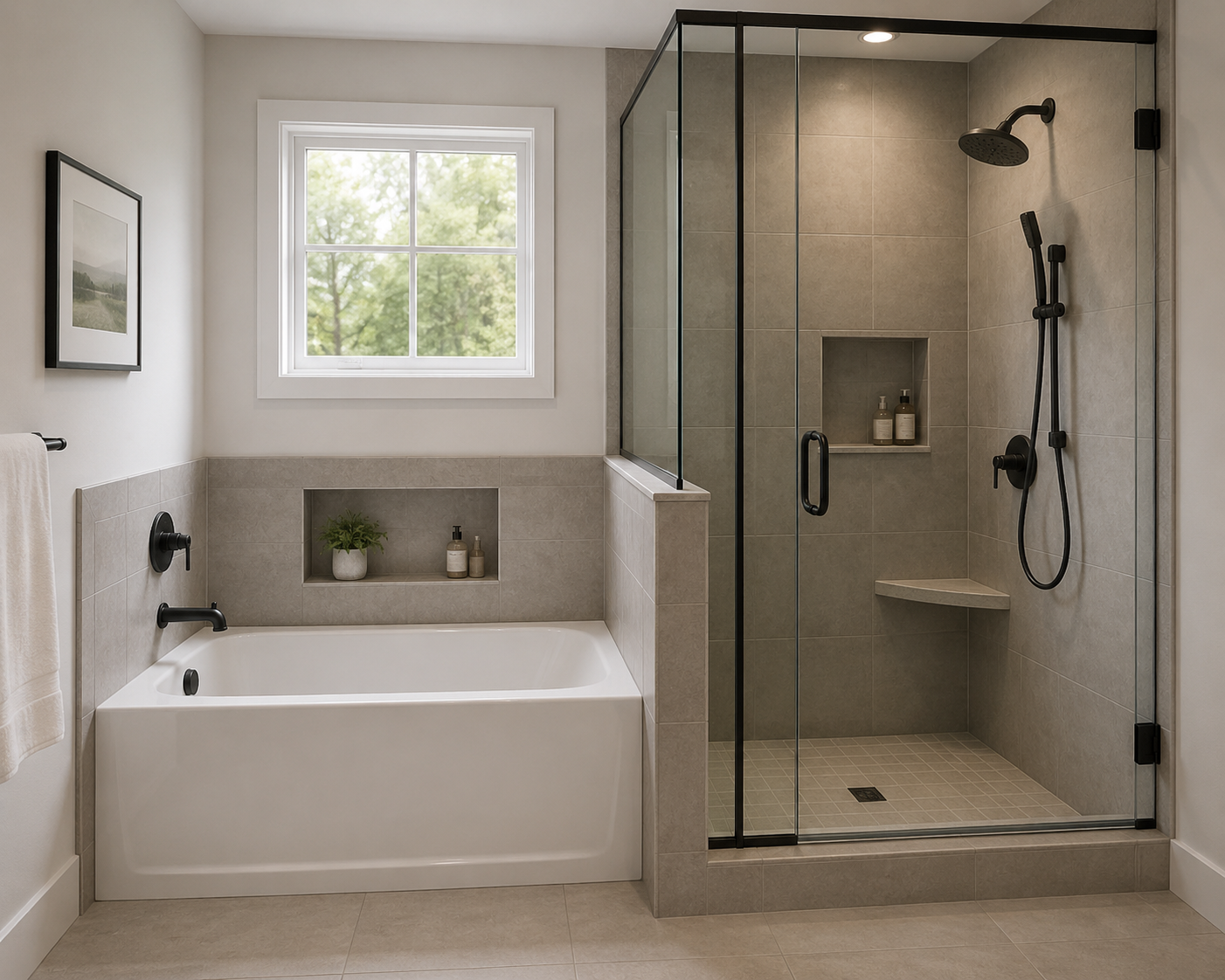
A bathroom is used repeatedly throughout the day, yet its design is often overlooked until problems become difficult to ignore. Limited storage, poor lighting, awkward movement, outdated surfaces, and inadequate ventilation can gradually make daily routines less convenient.
Well-planned bathroom renovation services can help homeowners rethink these issues from a functional perspective. A successful renovation is not simply about creating a more attractive room. It should improve comfort, organization, accessibility, maintenance, and the overall experience of using the space.
Understanding which features deserve attention can make planning much easier.
Start With a Bathroom Function Audit
Instead of immediately choosing finishes, examine how the existing bathroom performs during a normal day.
Pay attention to the moments that cause frustration. Perhaps two people cannot comfortably use the room at the same time. Maybe toiletries accumulate on the countertop because storage is insufficient. The shower may feel cramped, or lighting around the mirror might create inconvenient shadows.
These observations reveal where improvements can have the greatest impact.
Consider Who Uses the Room
A family bathroom has different requirements from a guest bathroom or primary bathroom.
Families may prioritize durable finishes and generous storage, while a guest space might benefit from a simple, intuitive layout. A primary bathroom may place greater emphasis on personal storage, comfortable movement, and a relaxing atmosphere.
Bathroom renovation services should therefore be planned around actual users rather than a generic design formula.
Improve the Layout Before the Appearance
An attractive bathroom can still be frustrating when the layout is poorly planned.
Consider how doors open, where drawers extend, and whether there is comfortable clearance around major fixtures. Look at the route from the entrance to the sink, shower, bathtub, and toilet.
Even relatively small changes can sometimes improve movement significantly.
A local renovation resource can also be useful when exploring how existing room dimensions and structural conditions may influence possible renovation decisions.
Give Storage a Specific Purpose
Bathroom clutter often results from storage that does not match everyday routines.
A deep cabinet may technically provide plenty of space, but it becomes inconvenient when frequently used items disappear behind one another. Similarly, a large vanity does little good if its internal layout wastes available capacity.
Organize Storage by Frequency
Keep daily essentials in easy-to-reach areas. Items used occasionally can occupy higher shelves or less prominent compartments.
Drawers can work well for smaller toiletries because their contents remain visible. Vertical cabinets can accommodate towels and larger items without consuming excessive floor area.
Recessed or wall-mounted storage may also be useful in compact rooms.
Thoughtful bathroom renovation services consider where belongings will actually go before the renovation is complete.
Create Better Lighting for Different Tasks
A single overhead fixture rarely provides ideal bathroom lighting.
Instead, think in layers.
General lighting should make the entire room comfortable to navigate. Task lighting around the vanity should provide clear visibility for grooming. Softer lighting can create a calmer atmosphere when maximum brightness is unnecessary.
Natural light can contribute significantly as well. When available, it should be incorporated without compromising privacy.
Pay Attention to Mirror Lighting
Poorly positioned lights can create strong shadows across the face.
Lighting positioned with mirror use in mind can provide more balanced illumination. This seemingly small decision can improve one of the bathroom’s most frequent daily activities.
Treat Moisture Management as Essential
Bathrooms routinely generate steam and humidity, making moisture management a fundamental part of renovation planning.
Adequate ventilation helps remove humid air and supports a more comfortable environment. Wet areas also require suitable materials and careful construction practices.
Water-resistant finishes should be chosen according to where they will be installed rather than simply because they match a preferred design style.
Ignoring moisture-related considerations can undermine otherwise thoughtful renovation work.
Select Surfaces That Suit Your Routine
Material selection should balance visual appeal with realistic maintenance.
Some surfaces require frequent attention to maintain their appearance, while others are easier to clean and manage. Consider how much maintenance your household realistically wants to perform.
Flooring should also provide appropriate durability and comfort for a room regularly exposed to moisture.
When comparing bathroom renovation services, practical material selection deserves as much attention as color, texture, and overall style.
Plan Electrical Details Early
Electrical planning has become increasingly important in modern bathrooms.
Consider where grooming devices, charging equipment, illuminated mirrors, and other electrical items might be used. Proper outlet locations can reduce countertop clutter and improve convenience.
Lighting controls also deserve attention. Their placement should feel natural when entering and using different areas of the bathroom.
Addressing these requirements during the planning stage is far easier than trying to change them after surfaces are finished.
Design With Long-Term Comfort in Mind
Bathroom needs can evolve over time, so designing exclusively around current circumstances may limit future usability.
Features such as comfortable walking space, practical storage heights, accessible shower arrangements, and straightforward layouts can support a wider range of users.
Keep the Foundation Adaptable
Highly specific trends can quickly define the age of a bathroom.
A balanced foundation allows homeowners to introduce personality through details that can be updated more easily later. Neutral foundational materials do not have to feel boring when texture, lighting, mirrors, and decorative accents provide character.
This approach can help the room remain visually appealing even as preferences change.
Remember the Details You Touch Every Day
Some renovation decisions seem insignificant during planning but become noticeable after completion.
Drawer handles, faucet placement, towel locations, shower controls, storage accessibility, mirror height, and door clearances all influence everyday convenience.
Thinking through these interactions can distinguish a bathroom that merely looks renovated from one that genuinely functions better.
Conclusion
Effective bathroom renovation services should bring together functionality, comfort, durability, and thoughtful design. A successful project begins by identifying existing frustrations and understanding exactly how the bathroom is used.
From layout and storage to lighting, ventilation, materials, and electrical planning, each decision should contribute to a smoother daily routine. Decorative choices remain important, but they are most successful when built on a practical foundation.
By prioritizing everyday usability and long-term flexibility, homeowners can create a bathroom that feels organized, comfortable, and visually balanced while continuing to meet changing needs over time.