Waste can accumulate faster than expected. A home renovation may leave behind broken materials and packaging, while a garage cleanout can uncover years of unwanted belongings. Construction projects, property maintenance, moving, and seasonal cleanups can create even larger volumes of debris. Once regular garbage collection is no longer practical, finding an appropriate disposal option becomes important.
A trash dumping service can help provide a practical destination for unwanted materials, but responsible disposal begins before the waste leaves your property. Sorting materials, identifying recycling opportunities, checking acceptance requirements, and transporting loads safely can make the process more organized and efficient.
When Do You Need a Trash Dumping Service?
Everyday household waste usually fits within a regular collection routine. Larger projects are different.
Removing flooring, renovating a basement, clearing an estate, or completing construction work can produce materials that are too bulky or numerous for ordinary disposal. In these situations, planning a dedicated disposal trip can prevent debris from taking over the property.
The first step is understanding exactly what your project has generated.
Identify the Main Waste Categories
Walk through the cleanup area before loading anything.
Separate materials into practical categories such as general garbage, wood, metal, cardboard, construction debris, and bulky items. If you encounter unfamiliar materials, keep them separate until you understand their handling requirements.
This simple assessment makes the rest of the disposal process easier.
Sort Before You Throw Everything Together
Putting every unwanted item into one pile may seem efficient at first. Unfortunately, it can make recycling and unloading more difficult later.
Some materials may have appropriate recycling options, while others genuinely require disposal. Once everything becomes mixed or contaminated, separating recoverable resources can take considerably more effort.
Create Dedicated Sorting Areas
For a household cleanup, a driveway, garage, or other suitable area can be divided into simple material zones.
Construction projects can use the same principle on a larger scale. Designate areas for commonly generated materials before demolition or renovation begins.
Everyone involved should understand the system so debris goes to the correct location from the start.
Consider Recycling Before General Disposal
Responsible waste management involves asking whether a material has another practical destination before treating it as garbage.
Depending on condition and local requirements, materials such as cardboard, metal, wood, and certain construction debris may have recycling potential.
Not everything will qualify, and forcing unsuitable materials into recycling is not helpful. The goal is to identify realistic opportunities.
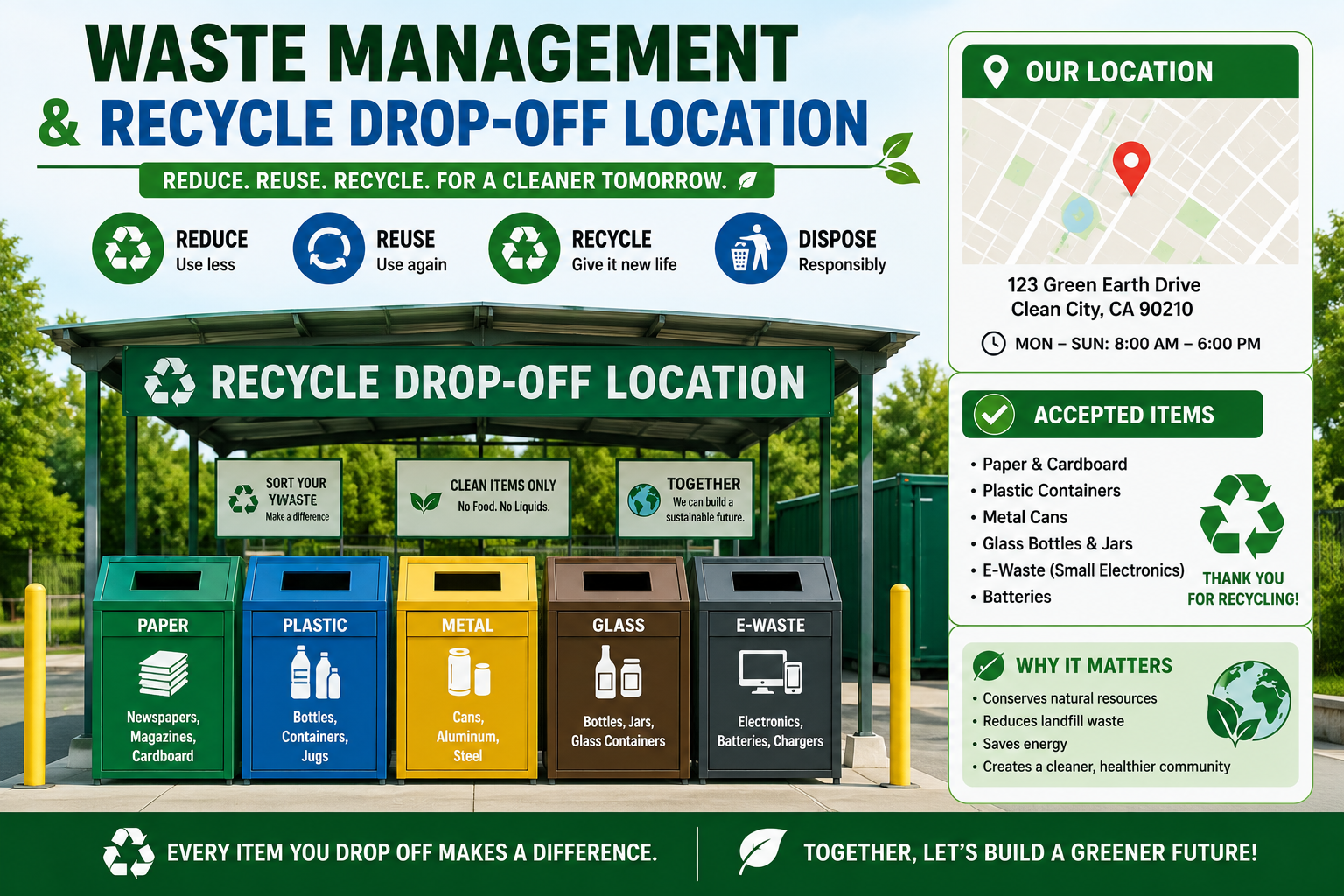
When planning where to take separated debris, reviewing a local waste and recycling drop-off location can help you consider an appropriate destination.
Check Acceptance Requirements in Advance
A trash dumping service or disposal facility may have specific requirements regarding the materials it receives.
Do not assume that every destination accepts every type of debris. Rules may vary for household junk, construction waste, bulky materials, and recyclable items.
Checking beforehand can prevent unnecessary trips.
Do Not Guess With Unfamiliar Materials
During an older property cleanup or renovation, you may discover materials you cannot immediately identify.
Instead of mixing them with ordinary garbage, determine what they are and how they should be handled. Certain materials require different procedures for safety or regulatory reasons.
Responsible disposal depends on knowing what is in your load.
Make Renovation Cleanup More Efficient
Renovation debris can quickly overwhelm a work area if removal is postponed until the project ends.
Consider disposal as part of the renovation schedule instead.
After major demolition stages, remove accumulated debris before moving into the next phase. This creates additional working space and reduces the likelihood that sorted materials become mixed together.
Separate Packaging From Demolition Waste
Renovations generate waste during installation as well as demolition.
New flooring, cabinets, fixtures, and building materials can arrive with substantial cardboard and packaging. Keep these materials away from demolition debris whenever practical.
Separating them immediately requires little effort and can simplify recycling decisions.
Plan Household Cleanouts Room by Room
Large household cleanouts can feel overwhelming because every area may contain different types of unwanted items.
Instead of emptying the entire property into one enormous pile, work systematically.
Finish one room, garage section, storage area, or basement zone before moving to the next. Sort items into reuse, recycling, and disposal categories as you work.
This method makes progress easier to see and keeps the project manageable.
Prepare Your Load Carefully
Once materials are sorted and the destination is confirmed, plan how they will be transported.
Load similar materials together whenever practical. Consider the unloading process so recyclable items do not become trapped beneath mixed garbage.
Weight matters as much as available space.
Dense construction debris can make a vehicle heavy long before the cargo area appears full.
Secure Loose Waste
Loose debris should never be transported without appropriate containment.
Cardboard, lightweight packaging, plastic, small wood pieces, and other materials can blow from an uncovered vehicle. Larger objects can shift during braking and turning.
Use appropriate restraints or coverings and inspect the load before leaving.
Avoid Overloading Your Vehicle
Trying to complete the entire disposal job in one trip may seem convenient, but overloading creates unnecessary risk.
Consider the safe carrying capacity of the vehicle and the stability of the load. If the material cannot be transported safely in one trip, divide it into manageable loads.
A second trip is preferable to unsafe transportation.
Keep Disposal Areas Clean During Longer Projects
Construction and property improvement projects may continue for weeks or months.
During that time, waste collection areas should be maintained rather than ignored. Remove loose debris around them, correct sorting mistakes, and arrange disposal before materials begin overflowing into working areas.
A well-maintained waste zone makes the entire site easier to manage.
Review the Waste Stream as Work Changes
Different project stages generate different materials.
Demolition may create drywall, wood, and other building debris. Installation stages may produce cardboard, packaging, and smaller offcuts.
Adjust your sorting system as the project progresses so it continues to match the materials being generated.
Common Disposal Mistakes to Avoid
Poor planning causes many waste disposal problems.
Common mistakes include loading before checking acceptance requirements, mixing recyclable material with general garbage, transporting unsecured debris, and leaving waste removal until the final stage of a project.
Another mistake is assuming that unwanted automatically means garbage.
Taking a few moments to evaluate reuse and recycling possibilities can improve the overall waste stream.
Build Better Disposal Habits
Using a trash dumping service may solve an immediate cleanup need, but good waste habits can make future projects easier.
Create designated areas for commonly generated recyclables. Remove accumulated materials regularly instead of allowing them to build up. During renovations, decide how debris will be handled before work begins.
These habits reduce last-minute decisions and make responsible disposal part of the project rather than an afterthought.
Conclusion
A trash dumping service can be useful when household cleanouts, renovations, construction work, or property maintenance generate more waste than regular collection can manage. However, getting rid of debris efficiently requires preparation.
Identify your materials, separate recyclables from general waste, confirm acceptance requirements, and organize transportation before leaving. Keep loads secure and avoid exceeding safe vehicle capacity.
Most importantly, consider whether unwanted materials can be reused or recycled before choosing general disposal. With thoughtful sorting and a clear waste plan, cleanup becomes easier while suitable materials have a better opportunity to avoid unnecessary landfill disposal.