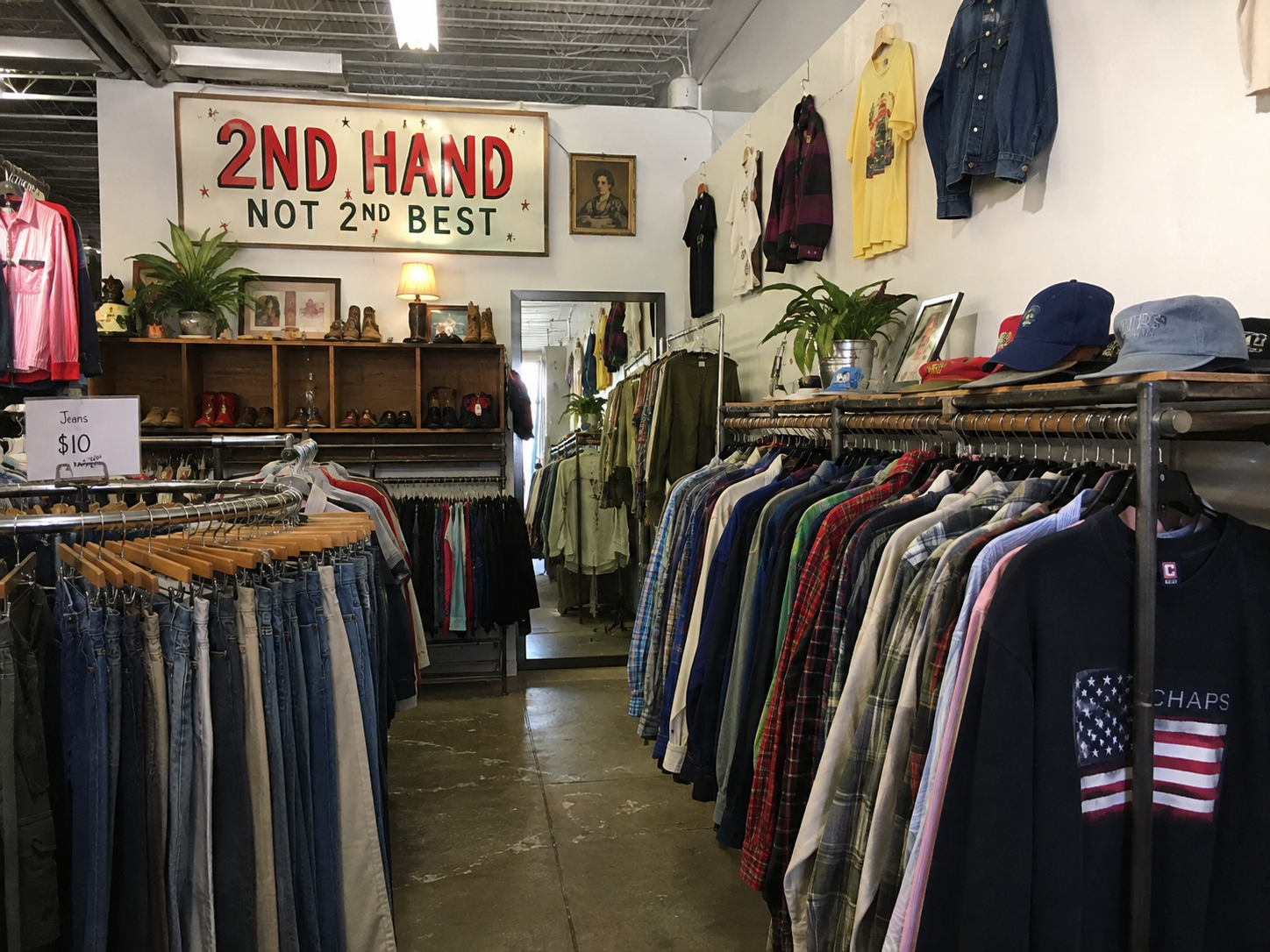
Making a home comfortable does not require filling every room with newly purchased belongings. Sometimes the most useful pieces are those that have already served another household and still have plenty of life left. Visiting a thrift store for household items can help shoppers discover kitchen essentials, storage solutions, decorative accents, and everyday necessities. With a little planning and an eye for quality, second-hand shopping can become a practical way to furnish and refresh almost any living space.
Start With What Your Home Actually Needs
Walking into a thrift shop without a plan can be exciting, but it can also make it easy to become distracted. Before heading out, take a quick look around your home and identify genuine gaps.
Perhaps your kitchen needs additional serving dishes. Maybe the hallway could use a basket for everyday clutter, or a bare shelf needs a decorative accent. A simple list makes browsing a thrift store for household items more focused while still leaving room for unexpected discoveries.
Think in terms of function first. Items that solve an everyday problem are more likely to remain useful long after the excitement of finding them has passed.
Give the Kitchen a Second-Hand Refresh
The kitchen is a natural place to begin because it contains so many practical objects.
Look for Everyday Essentials
Bowls, mugs, plates, serving dishes, utensils, trays, and storage pieces are worth examining when you visit a thrift store for household items. Individual pieces do not necessarily have to come from matching sets.
Mixing complementary colours, materials, or patterns can create a relaxed and personal dining setup. More importantly, choosing pieces individually allows you to focus on what your household actually uses.
Inspect everything before making a decision. Look closely for cracks, chips, excessive wear, or missing components.
Turn Storage Finds Into Organization Solutions
Clutter often develops because frequently used belongings do not have convenient places to go. Second-hand baskets, containers, organizers, and small storage pieces can help address that problem.
A thrift store for household items can inspire creative solutions because objects are not limited to their original purpose. A decorative basket might organize towels, while a small container could hold office supplies or everyday accessories.
Measure Small Spaces Before Shopping
Keep basic measurements for shelves, cabinets, countertops, and other areas on your phone. Measurements make it easier to evaluate a promising item while you are shopping.
This habit is especially useful for organizers. Even an attractive storage piece becomes inconvenient if it blocks a cabinet door or does not fit the intended shelf.
Add Character Through Pre-Owned Décor
A home feels more personal when its décor reflects the people living there rather than following a single showroom style.
Picture frames, mirrors, artwork, vases, candle holders, decorative bowls, and similar pieces can add personality to otherwise simple rooms. At a thrift store for household items, you may encounter different eras and styles side by side.
Instead of asking whether everything matches perfectly, look for connections between pieces. Similar materials, shapes, textures, or tones can help varied objects feel intentional when displayed together.
Make Your London South Shopping Trip Easier
Planning your route can make an in-person shopping trip more convenient, particularly when you want enough time to browse without rushing. Checking the London South thrift store location before leaving can help you organize your visit.
Once there, browse methodically. Inventory at a thrift store for household items can change, so carefully checking different sections gives you a better chance of noticing something useful.
Learn to Judge Condition Quickly
Successful second-hand shopping often comes down to inspection. You do not need to spend several minutes studying every object, but a quick quality check is worthwhile.
Check Function Before Appearance
Start by asking whether the item can perform its intended job. Examine handles, hinges, lids, edges, bases, and moving parts when applicable.
After confirming functionality, consider appearance. Minor cosmetic wear may not matter for an everyday household object, especially if it fits your needs well.
When browsing a thrift store for household items, deciding what level of wear you are comfortable with helps you shop more efficiently.
Avoid Buying Something Just Because It Is Interesting
The treasure-hunt feeling is part of thrift shopping’s appeal. However, an unusual object is not automatically a useful purchase.
Before choosing anything, ask yourself where it will go and how you will use it. If you cannot picture a realistic purpose, leaving it behind may be the better decision.
This approach keeps your home from becoming overcrowded and makes each thrift store for household items visit more intentional.
Return With Fresh Eyes
One visit does not need to provide everything on your list. Second-hand selections naturally change as different items become available.
If you cannot find the right basket, kitchen accessory, or decorative piece today, keep the need on your list for another trip. Patience can be more effective than settling for something that does not quite suit your space.
Regular browsing also makes it easier to understand what kinds of household goods are useful to you and which ones tend to become unnecessary clutter.
Conclusion
Thoughtful second-hand shopping can help turn everyday household needs into opportunities for creativity and discovery. By making a list, measuring your space, checking condition, and choosing objects with a clear purpose, you can bring home pieces that genuinely contribute to your daily routine. A thrift store for household items can be a valuable place to explore kitchenware, organization solutions, décor, and practical home essentials while giving useful goods another chance to be appreciated.